


BetFlag App In Italy
A practical guide to using your phone, navigating your account, and managing sessions, balance, and support in 2026.
Table of Contents
Bonuses & Promotions
100% up to $500
+ 77 Free Spins on first deposit
77 Free Spins
Every Friday on deposit
50% up to $300
On every second deposit
Up to 15%
Every Monday on losses
Casino Overview
| Established | 2019 |
|---|---|
| License | Curaçao eGaming |
| Games Available | 3,000+ |
| Minimum Deposit | $5 |
| Withdrawal Time | Instant – 24h |
| Customer Support | 24/7 Live Chat & Email |
Game Providers







How To Evaluate A Mobile Account In 2026
In 2026, a smartphone gaming platform is no longer measured by its initial graphics or how quickly the home screen opens. It's measured by how well it supports the user's real actions: login, profile management, reading movements, game selection, using personal limits, and ending the session. For an adult in Italy, the point isn't having everything theoretically on their phone. The point is understanding if the phone holds up well to daily use.
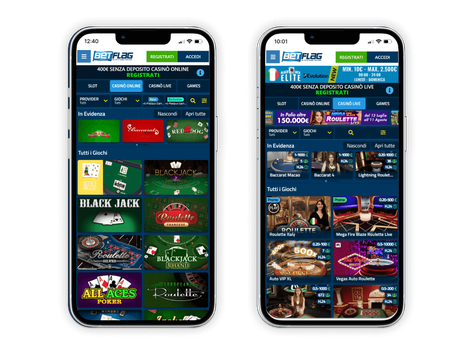
Imagine a simple scenario. You have ten minutes free, you open your account, and you want to immediately understand if the balance has changed, if there's a transaction to check, and if it makes sense to stay. When you find everything where you expect it, the session starts in an orderly fashion. When, instead, you have to search for the history, open multiple menus, and go back several times, the perceived quality quickly decreases.
BetFlag Casino App And First Impressions
First impressions are only useful if they help understand the account structure. It's not enough to see an organized screen. You need to verify if the profile, history, help, and control tools are truly easy to access. Imagine logging in for the first time during a break and wanting to check an important detail immediately. If a few taps are enough and you don't get lost, the first sign is positive.
Users often judge a platform well when they perceive less friction. They don't have to memorize strange paths or chase hidden buttons.
Registration, Login, and Profile
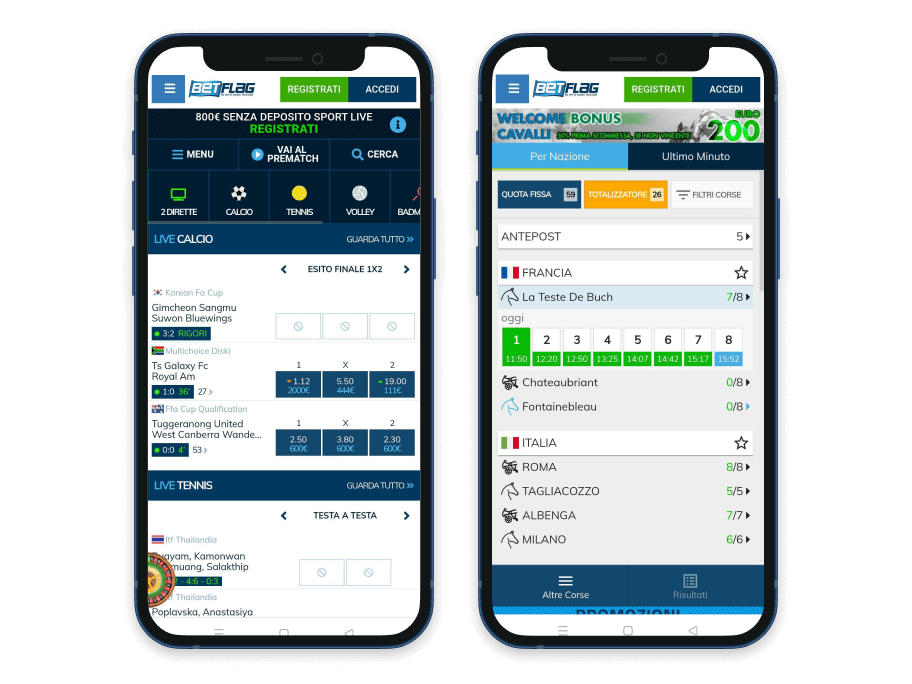
The first login is where many users complicate things for themselves. On a smartphone, it takes very little: a misspelled address, a half-saved password, a screen closed too quickly, or a step left suspended while notifications from other apps arrive. Later, you log back into the account, and something isn't right. Often, there isn't a technical problem. It was simply a messy start.
Imagine registering while you're doing something else. You fill in a field, then answer a message, go back, reopen the page, and try to resume the process. That's where the most trivial and annoying doubts arise. The best way to avoid them is to treat the first login as an operation to be completed calmly.
Immediately after logging in, it's advisable to do something that is skipped too often: orient yourself. Looking at where the profile, history, help, and personal control tools are located saves time later. In practice, the first few minutes aren't for rushing to the catalog. They are for understanding the account's map.
If the profile is well-organized, the rest of the journey becomes simpler. Personal data, essential settings, history, and access to support should be in easily recallable areas. Imagine having to correct a detail after a long day. If the path is linear, you stay clear-headed. If, instead, you have to start over each time, the effort quickly increases.
How To Prepare The Account Before Playing
Before starting, it's advisable to check that the profile data is consistent, that the main screens are readable, and that the personal control tools have already been identified. Imagine ignoring all this and only looking for it after a long session, when you're already tired. At that moment, even a simple step seems heavier.
This doesn't slow down the experience. It makes it more manageable.
BetFlag Slot App And Session Choice
When you usa the phone, the problem isn't just what to open, but how much time you really want to dedicate to the session. Imagine a fifteen-minute break. You don't need to explore everything. You need to understand if you just want to check a section, focus on a few games, or close after a quick account check. Entering with a clear objective reduces dispersion.
The catalog, on mobile, must help choose without creating noise. If everything is readable and categories are easy to filter, the user stays more focused. If, instead, too many paths open at once, taps increase, and the sense of control decreases.
Payments And Verification Before Confirmation
The financial area should be read more calmly than one might think. Before confirming a deposit or other transaction, it's advisable to read the summary, verify the amount, check which section you are operating from, and take a quick look at the history. Imagine doing everything quickly while responding to a notification. After a few minutes, you might not remember what you confirmed.
The most common errors don't stem from technical mysteries. They arise from steps performed without enough attention. A few extra seconds are enough to avoid most subsequent doubts.
Popular Games








Transactions, Balance, and History
The transaction area is one of the points where the quality of the account emerges most clearly. You don't need a thousand scattered details. You need to clearly see what matters: balance, recent changes, pending statuses, submitted requests, and personal control functions. When this information is close together, the user decides with context. When it's broken up across different screens, even a trivial check becomes heavier.
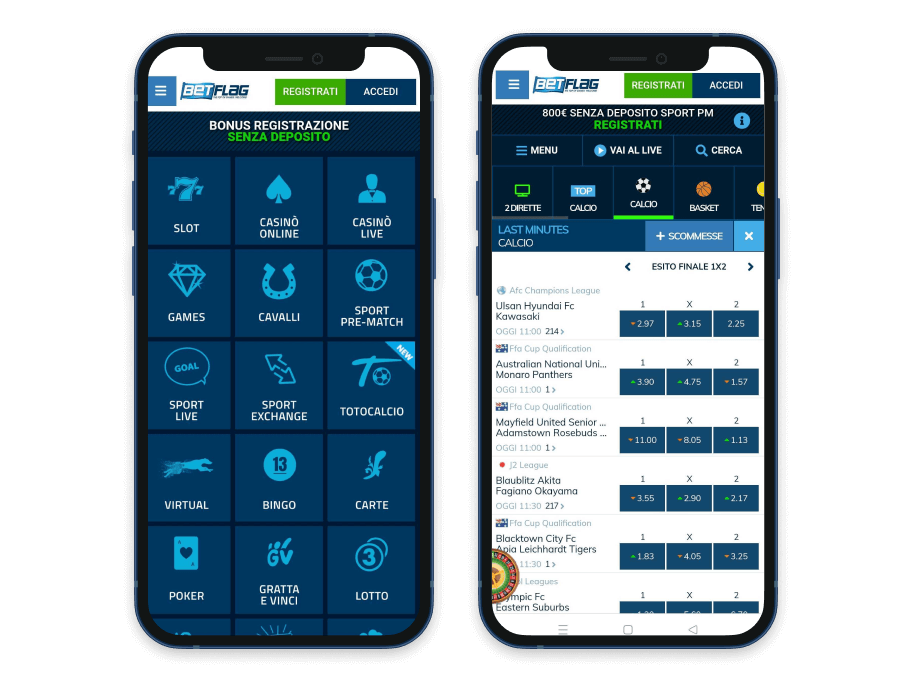
Imagine wanting to check a withdrawal or a previous request and not remembering where you saw the last update. If the history is readable, it only takes a few seconds. If, instead, you have to open various sections and interpret unclear messages, the same action loses fluidity. On a smartphone, this detail weighs even more because the speed of the device encourages doing things quickly, even when it's not advisable.
Area | What to Check | Why It's Useful |
Balance | Available amount and recent changes | Helps to decide with more context |
History | Date, transaction type, and status | Avoids repeating actions already taken |
Deposit | Final summary before confirmation | Reduces errors due to haste |
Withdrawal | Requests still open | Allows better process tracking |
Limits | Personal limits and active breaks | Strengthens self-control |
Support | Channel visible in the account | Makes it quicker to resolve a doubt |
App BetFlag And Daily Use
Daily use is the true test of a mobile platform. A person can open an account in the morning to check the balance, return in the afternoon to verify a transaction, and come back in the evening for a longer session. If these three moments feel like part of the same journey, the smartphone format works. If, however, each return forces them to start from scratch, the phone stops being an advantage.
Immaginate chi usa il telefono per quasi tutto: messaggi, banca, lavoro rapido, acquisti e svago. Per questa persona non basta che l’applicazione si apra in fretta. Deve anche permettere di tornare a ciò che conta senza dispersione. Profili leggibili, menu coerenti, cronologia facile da recuperare e ritorno rapido alla home fanno una differenza concreta.
Pace also matters a lot. Short sessions require speed. Long ones require stability. During a short break, a few taps and clear direction are needed. In a longer session, visual comfort, the ability to go back without losing track, and the option to pause without leaving everything pending are necessary.
How To Manage A Short Session
In short sessions, it's best to limit the scope. First, decide on the available time, then open only one area, and compare a few options consistent with that duration. Imagine entering without a plan and starting to tap everything. After a few minutes, you won't remember where you saw a certain section or why you discarded a choice.
The best sessions are almost always built on a small but clear decision. Less distraction, more clarity. On a phone, this difference is immediately noticeable.
How To Manage A Long Session
In longer sessions, speed alone is not enough. A structure that doesn't cause fatigue is needed. Readability, easily retrievable history, support close to the natural workflow, and the ability to switch sections without breaking concentration become central. Imagine a quiet evening when you want to stay longer. If every return to the home screen resets your orientation, mental fatigue will set in sooner than expected.
A well-constructed environment, on the other hand, supports the transition between different parts of the account without making you feel out of place. This is where the mobile format stops being a shortcut and truly becomes the center of the experience.
BetFlag Casino App And Control Tools
Personal control tools are not details to be sought only when a session has already become confusing. They are useful tools precisely because they help maintain order before the pace changes. Spending limits, temporary breaks, and self-exclusion help manage time and money with greater clarity. The most attentive users don't see them as a last resort. They consider them a normal part of the account.
Imagine realizing that you are logging in too often or that a session is dragging on out of inertia. If you already know where these tools are, you can intervene calmly and not reactively out of fatigue. In an environment intended for adults, this ability to stop in time is a real component of overall quality.
When to Stop and When to Ask for Help
There are times when it's advisable to write to support and others when it's better to close and come back later. If a transaction remains unclear even after checking the history, it makes sense to ask for support with a clear message. If, however, the problem is fatigue, haste, or loss of concentration, the best decision is often to stop.
Imagine the end of a long day. You open the account almost out of habit, go from one screen to another, and realize you're just prolonging your presence in the account without a specific purpose. In that case, leaving is the cleanest choice. If, however, you find an entry you don't understand even after rereading it carefully, then support is the right tool.
Final Evaluation For 2026
Looking at the big picture, BetFlag Casino in mobile format makes sense primarily for those seeking continuity. It's not necessary for every screen to be impressive. What's needed is that access, profile, payments, history, support, and personal control work together comprehensibly. This is the most concrete assessment for an adult user in Italy in 2026.
Immaginate una persona che usa il telefono come dispositivo principale e non vuole appoggiarsi al desktop per ogni dettaglio. Ciò che cerca non è un conto spettacolare. Cerca un percorso che regga la realtà quotidiana: verifiche rapide, passaggi economici leggibili, sessioni con un obiettivo e uscita facile quando serve. Se questi elementi funzionano, il mobile trova davvero il suo posto.
The practical conclusion is simple. The best way to use this platform is to treat it as a tool to organize, not just to open. First, understand the profile, then check the balance and history, then choose sessions consistent with the available time. Within a context reserved for adult users and in compliance with applicable rules, this is the most solid path to keeping the experience clear and manageable.
FAQ
You know by observing the actions you repeat most often, not the effect of the first screen. Logging in, viewing balance and history, finding support, and logging out should be natural movements. Imagine two accounts with a similar appearance. You will better remember the one that made you waste less time on practical steps. Therefore, real convenience does not depend on abstract graphics, but on the quality of the journey and the account's ability to remain consistent even after multiple accesses on the same day.
Immediately after logging in, it's useful to locate your profile, history, support, and personal control tools. These are not the most flashy areas, but they are the ones you'll use when clarity is needed. Imagine wanting to verify a transaction or change a setting without yet knowing where to go. At that moment, a few minutes seem much longer. Orienting yourself at the beginning lightens all subsequent sessions and makes the account less tiring to use.
The simplest method is to slow down before confirming. Reading the summary, verifying the amount, checking for recent transactions, and understanding which area you are operating from helps a lot. Imagine doing everything quickly while responding to a notification. After a while, you might not remember what you confirmed. The most common errors arise precisely from this, and they are almost always avoided with a few extra seconds of attention and a quick glance at the history before proceeding.
A break makes sense when you realize that the account's pace no longer depends on a specific choice, but on a habit that is extending. For example, you log in once, then log in again shortly after without a clear reason, then later open your profile again almost automatically. In such a situation, a break is a practical tool. You don't need to wait for a serious problem. You need to interrupt a dynamic that is becoming less clear in time.
The best thing is to calmly read the indicated status, check the time, and understand the type of transaction. A pending transaction, by itself, doesn't necessarily mean something is wrong. Imagine seeing it and immediately reacting by repeating the same operation. This way, you only risk complicating the situation. First, interpret what the account shows correctly, then decide whether to wait or ask for help. This small order avoids a lot of confusion.
In short sessions, it's advisable to enter with a defined intention. First, decide on the available time, then open a single area and compare a few options. Imagine a fifteen-minute break where you navigate through different screens without an initial criterion. In the end, you'll have spent most of the time just getting oriented. If, instead, you start with a simple question – I want to check, choose, or really stop – the session becomes more linear and much easier to end at the right time.
It's best to write to support when the doubt remains even after checking the history, balance, and the screen in question. In that case, it's advisable to gather a few useful pieces of information: approximate time, type of transaction, and a brief description of what you saw. Imagine sending a generic message without context. Most likely, you'll have to clarify everything later. If, instead, you come with the main details already organized, the process becomes faster and more concrete.